
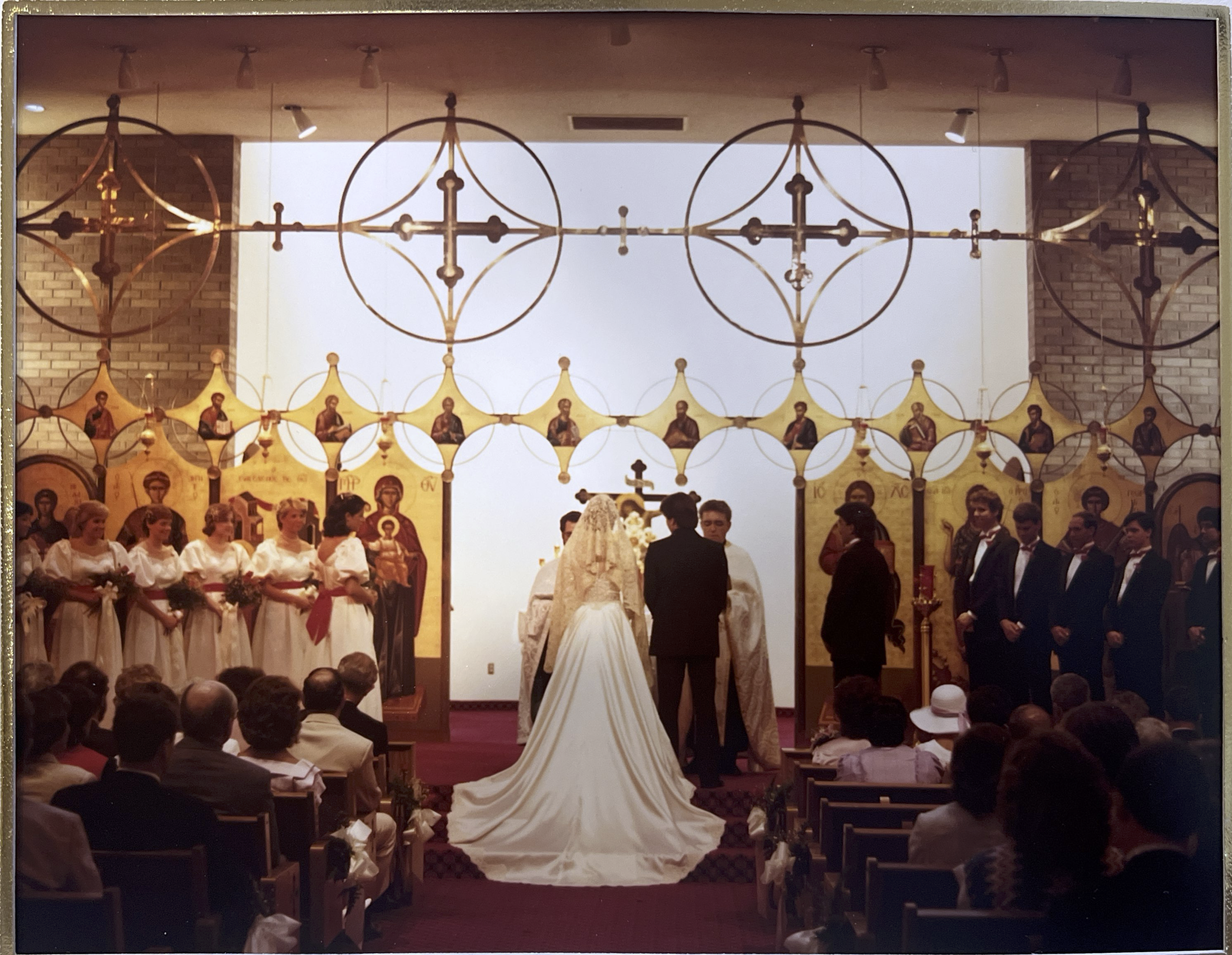
Orthodox ceremonies
Because many of our guests may be attending a Greek Orthodox wedding ceremony for the first time, we wanted to share a little context about what you’ll see and experience during the service.
Orthodox weddings are deeply symbolic, reverent, and rich in tradition. While some elements may feel different from what you’re used to, every part of the ceremony is centered on love, unity, and the sacred commitment of marriage.
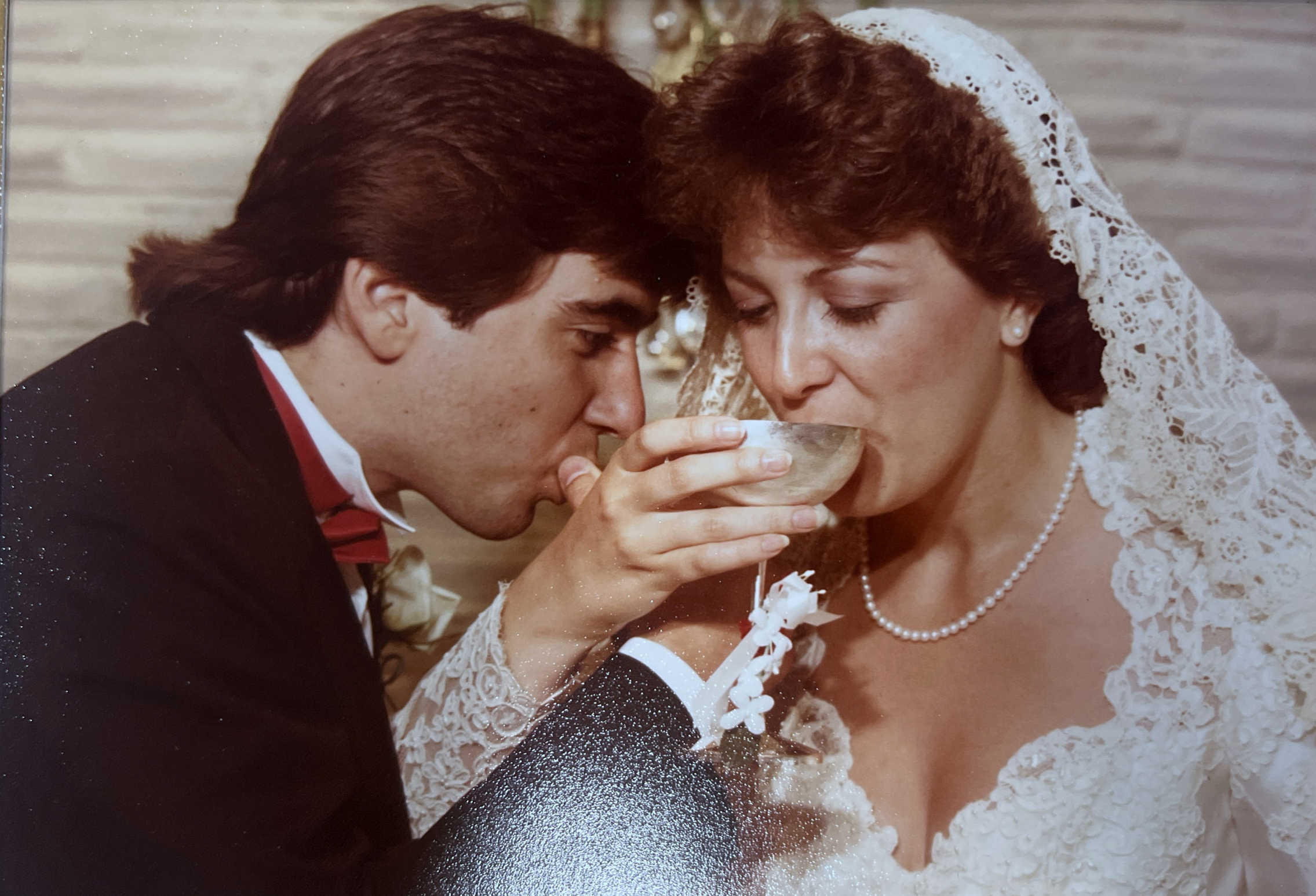
What to expect overall
One thing you’ll notice right away is the tone of the service.
In an Orthodox church, the wedding ceremony is considered a sacred sacrament, not a performance.
For that reason, there is typically no cheering, clapping, or applause at any point during the ceremony, even at joyful moments. This isn’t because we’re not happy (we very much are!), but because the focus remains on prayer and reverence throughout the service.
In general:
The ceremony is longer than many Western weddings
There are no personal vows spoken aloud
Much of the service is sung or chanted
The experience is solemn, meaningful, and deeply symbolic
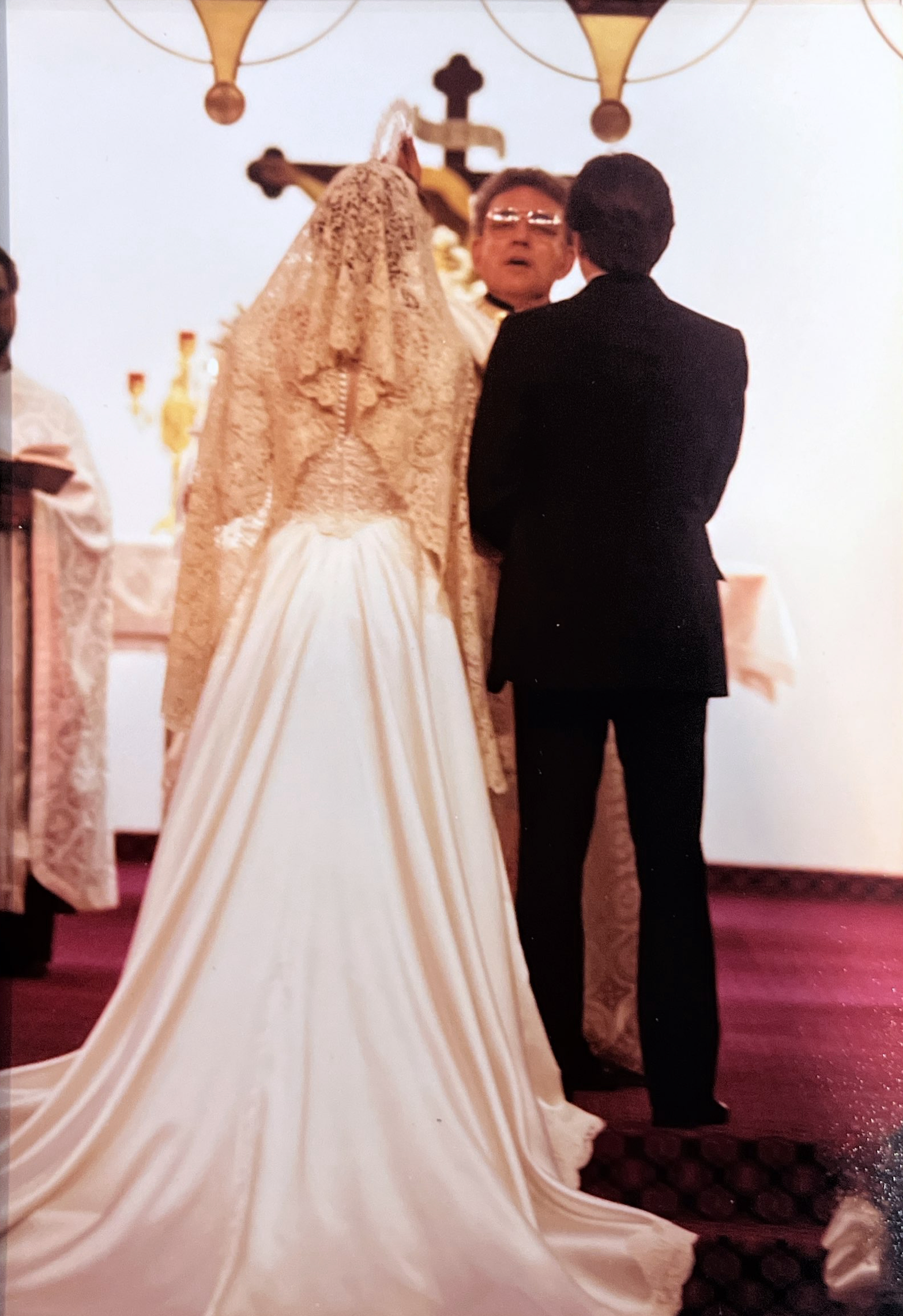
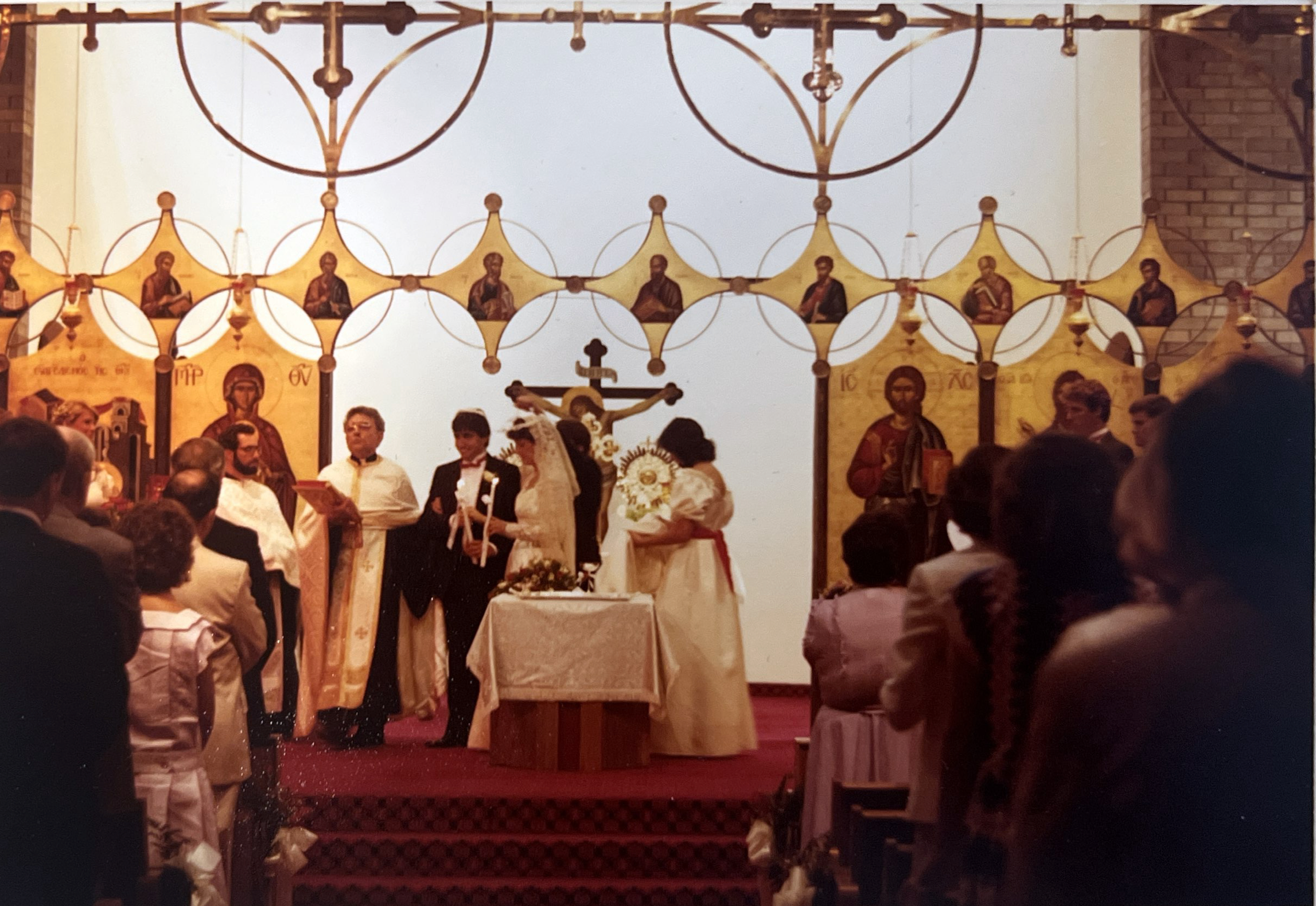
The Crowns (Stefana)
During the ceremony, you’ll see crowns placed on our heads. These are called stefana, and they are one of the most recognizable symbols of an Orthodox wedding.
The crowns represent:
Our unity as a married couple
The “crowning” of marriage as a sacred partnership
The idea that marriage involves love, sacrifice, and mutual support
The crowns are connected by a ribbon, symbolizing that we are joined together; two individuals becoming one life.
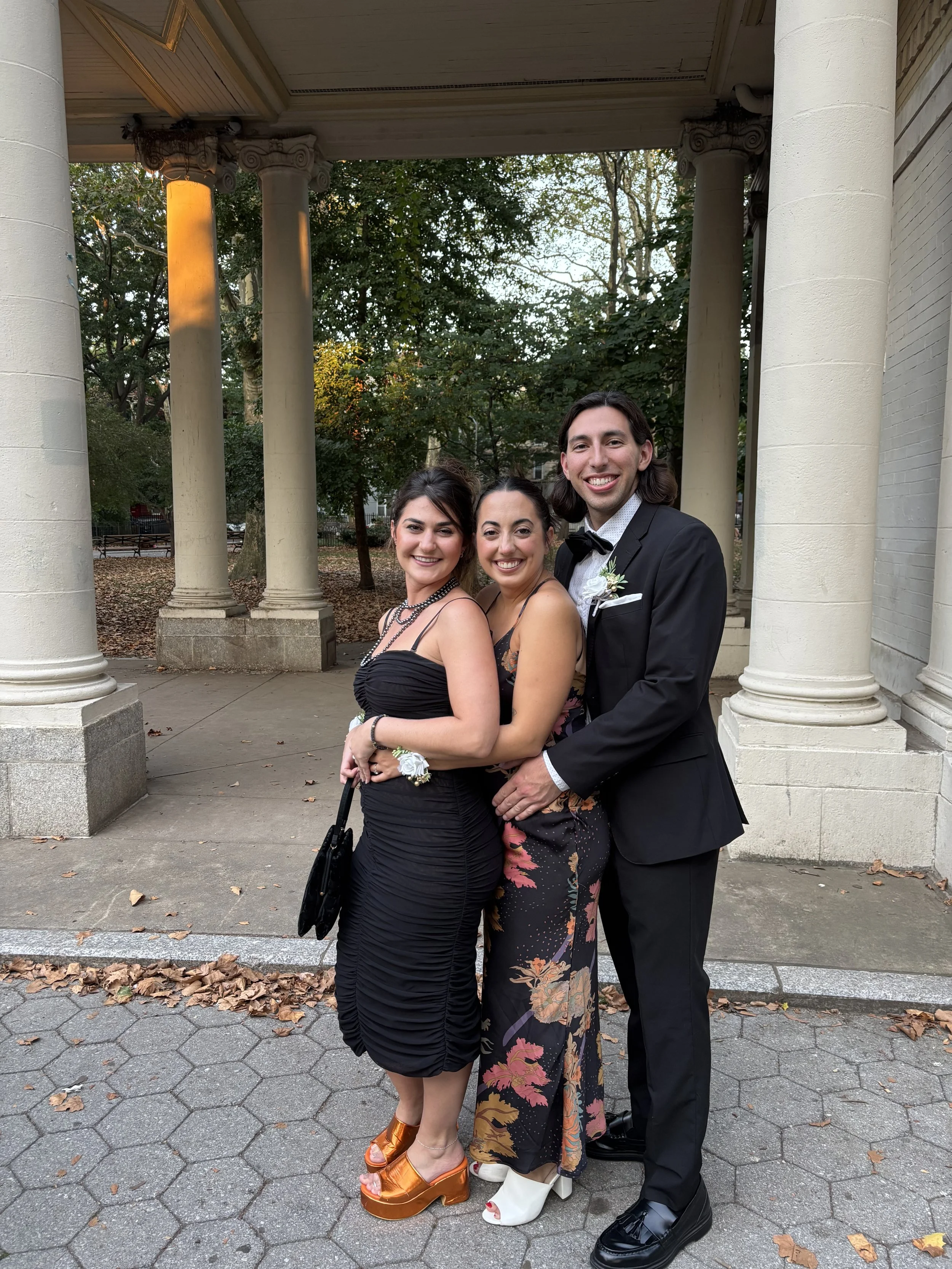
The Koumbara
You’ll also notice someone standing close to us throughout the ceremony. This person is called the koumbara.
The koumbara:
Acts as our wedding sponsor
Exchanges the crowns during the ceremony
Serves as a spiritual witness to our marriage
Our koumbara is Vanessa Karalis, one of Anne Elise’s friends whom she met while spending the summer of 2009 in Greece. Vanessa holds a very special place in our lives, and we’re honored to have her stand beside us as we begin our marriage.
Traditionally, the koumbara plays an important lifelong role in supporting the couple and their marriage, both spiritually and personally.
The Dance of Isaiah
Near the end of the ceremony, you’ll see us walk together around the altar three times. This is known as the Dance of Isaiah.
Despite the name, it’s not actually a dance, it’s a ceremonial walk that represents:
Our first steps together as a married couple
The journey of life we are beginning side by side
God’s presence guiding our marriage
The priest leads the procession, and the circular movement symbolizes eternity and the unending nature of marriage.
Boubouniera & Koufetta
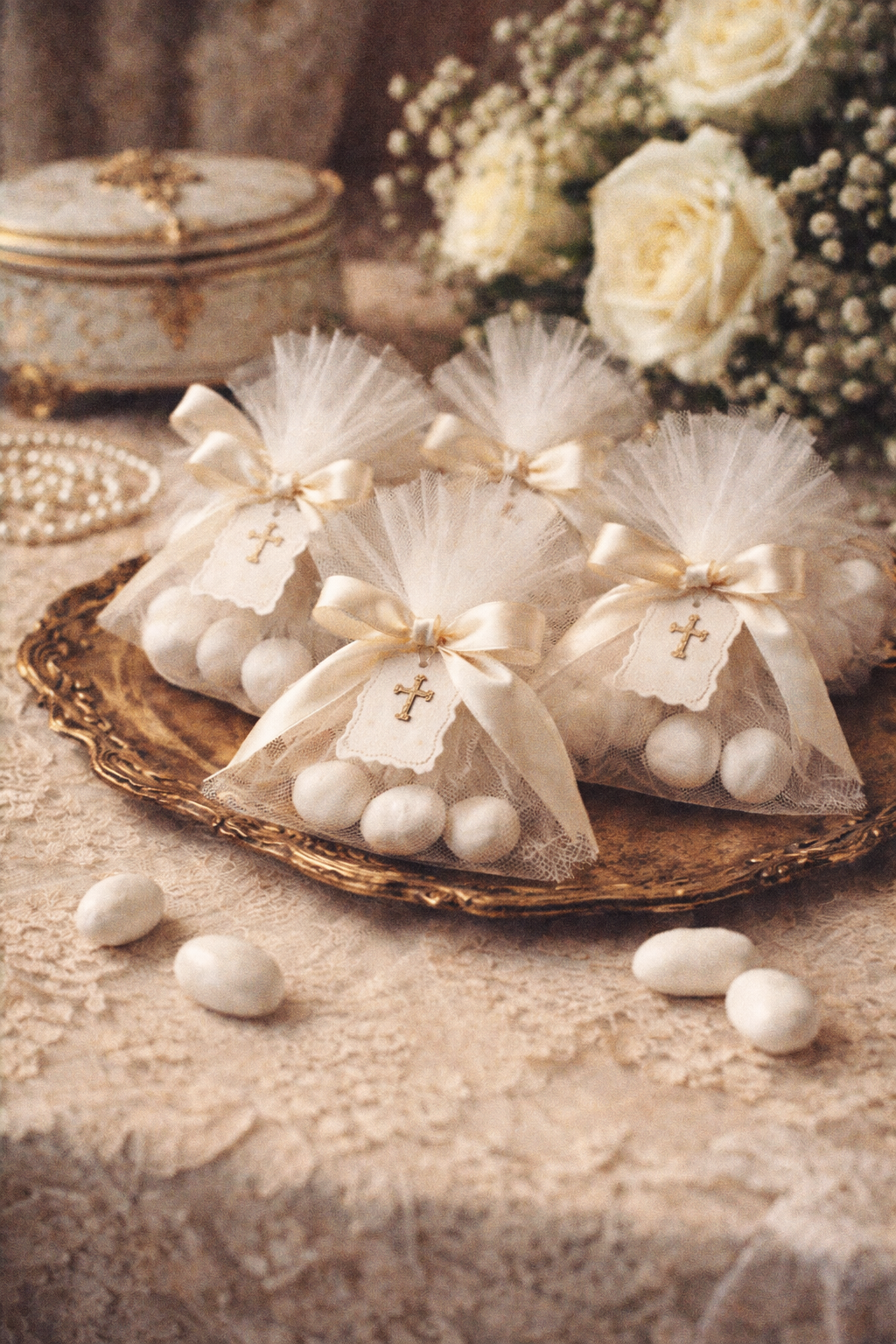
At the reception, you’ll receive a small favor called a boubouniera. Inside are koufetta, which are sugar-coated almonds traditionally given at Greek weddings.
Each part has a special meaning:
The almond symbolizes the endurance of marriage
The sugar coating represents the sweetness of life together
The white color symbolizes purity and joy
The odd number of almonds reflects the idea that the couple is indivisible
Koufetta are traditionally given as a wish for a sweet, happy life.
Even if the traditions are unfamiliar, your presence means the world to us, and we’re so grateful to share this moment with you.